For the world’s affluent, the shimmering surface of success often conceals a complex web of vulnerability. A custom yacht, a curated art collection, a portfolio of rental properties—these are not just assets; they are concentrations of risk. In 2026, as global volatility, cyber threats, and litigation trends intensify, a troubling reality persists: a significant portion of high-net-worth (HNW) individuals are dangerously underinsured. Relying on standard, off-the-shelf insurance policies is not merely an oversight; it is a profound failure of capital allocation and personal risk management that can unravel decades of wealth accumulation in an instant. The true cost of being underinsured extends far beyond an uncovered claim—it encompasses reputational damage, liquidity crises, and a fundamental breach of fiduciary duty to one’s family and legacy.

- Standard policies have sub-limits and exclusions that leave high-value assets like art, jewelry, and wine collections grossly unprotected.
- Liability coverage in typical umbrella policies is often insufficient for the scale of lawsuits targeting deep-pocketed individuals in 2026.
- Cyber and digital asset protection are non-negotiable, standalone necessities, not optional add-ons.
- Working with a specialist high-net-worth insurance broker is the critical first step in closing catastrophic coverage gaps.
- True risk management integrates insurance with legal structures, cybersecurity, and proactive asset protection strategies.
Beyond the Policy Limits: The Anatomy of Underinsurance
Underinsurance for HNW individuals is rarely a simple matter of a policy being too small. It is a multifaceted problem of misalignment. Standard homeowners insurance, for example, might offer a $500,000 limit for the dwelling. Yet, the cost to rebuild a custom, architect-designed estate in the current construction climate—with its specialized materials and craftsmen—could easily exceed $5 million. This “coverage gap” is just the tip of the iceberg.
More insidious are the sub-limits within policies. A policy may provide $1 million in personal property coverage but cap reimbursement for fine art at $10,000 per item or aggregate. A single contemporary painting could be worth a hundred times that. Similarly, collections of watches, vintage wine, or rare musical instruments often fall into these black holes of coverage. The 2026 market for bespoke collectibles insurance has evolved precisely to address these acute valuation challenges, offering agreed value coverage and worldwide protection.
The Liability Labyrinth: When Your Umbrella Isn’t Waterproof
Perhaps the most catastrophic exposure lies in liability. A $5 million personal umbrella policy may seem substantial, but in an era of social inflation and nuclear verdicts, it can be exhausted swiftly. Consider a serious auto accident involving multiple vehicles, a domestic employee lawsuit alleging wrongful termination, or a guest who suffers a debilitating injury on your property. Legal defense costs alone can run into the millions before a settlement is even discussed.
For individuals with significant public profiles or board memberships, directors and officers (D&O) liability insurance for private assets has become a critical shield. Without it, personal wealth is directly exposed to lawsuits targeting corporate decisions. The question isn’t “Could I be sued?” but “Am I prepared for the legal and financial siege when it happens?”
The Digital Frontier: Cyber Risk as a Core Exposure
In 2026, cyber risk is not a technological concern—it is a fundamental threat to personal sovereignty. High-profile individuals are prime targets for spear-phishing, ransomware, and sophisticated social engineering attacks. A standard homeowner’s policy offers little to no meaningful protection here.
A comprehensive high-net-worth cyber insurance policy does more than just cover financial theft. It provides access to a crisis response team that includes forensic IT specialists, legal counsel specializing in data privacy laws, and public relations experts to manage reputational fallout. It covers costs associated with data restoration, fraud monitoring for family members, and even ransom negotiations (where legal). Given the integration of smart home systems, personal data networks, and digital asset wallets, this coverage is as essential as fire insurance.
Asset-Specific Vulnerabilities: Yachts, Aircraft, and International Properties
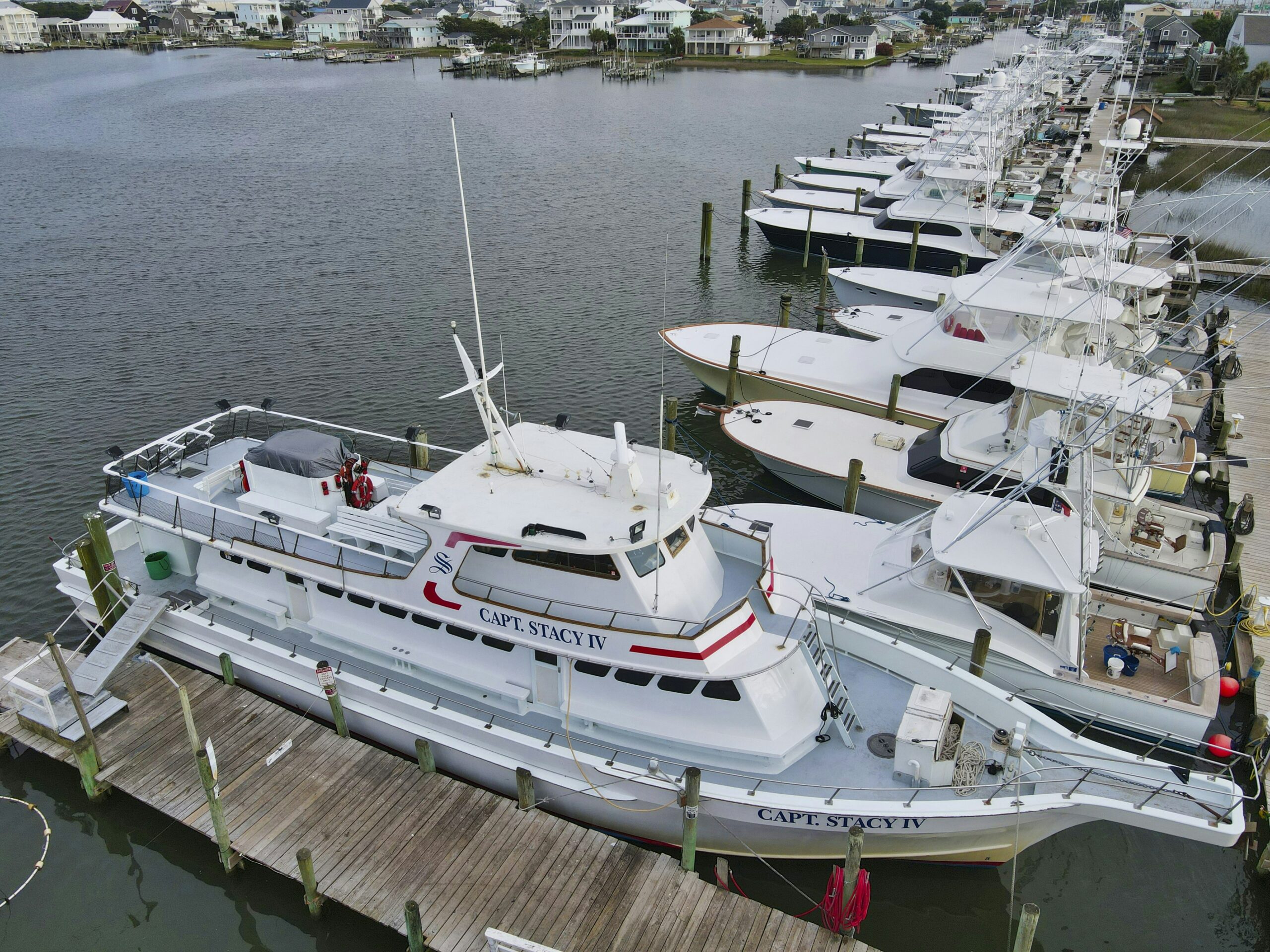
Operational assets like yachts and private aircraft present unique and severe risks. Maritime law, environmental liability for fuel spills, and crew injury claims under the Jones Act can lead to losses that dwarf the asset’s value. Similarly, owning a villa in a foreign jurisdiction complicates risk management exponentially. Local insurance requirements may be inadequate, and navigating claims across languages and legal systems is a nightmare without a global insurance program for ultra-high-net-worth families that provides centralized control and consistent coverage worldwide.
The Proactive Defense: Building a Holistic Risk Management Framework
Recognizing the gaps is only the first step. The modern HNW individual must adopt a strategic, integrated approach to risk, where insurance is one vital component of a larger defensive architecture.
1. The Essential Partnership: Working with a Specialist Advisor
The cornerstone of effective protection is engaging a specialist high-net-worth insurance broker. Unlike general agents, these firms have dedicated private client divisions that understand the nuances of valuing unique assets, structuring layered liability programs, and accessing the exclusive Lloyd’s of London and domestic specialty markets. They conduct formal risk assessments, often akin to a financial audit, to identify every exposure.
2. Valuation and Documentation: The Foundation of Recovery
An insurer cannot cover what it does not know exists. Maintaining updated, professional appraisals for art, jewelry, and collectibles is non-negotiable. For real estate, this means regular replacement cost appraisals conducted by certified builders. Digital inventories, supported by photographs and receipts, should be stored securely off-site. In the event of a total loss, this documentation is the difference between a swift, full settlement and a protracted, contentious dispute.
3. Integrating Legal and Financial Structures
Insurance should work in concert with your legal and financial plan. Properly structured trusts, family limited partnerships, and LLCs for holding rental properties or valuable assets can provide an additional layer of liability protection. This strategic layering makes it harder for claimants to reach personal assets directly and can complement the financial backstop provided by insurance. Consulting with an attorney who specializes in asset protection planning for affluent families is a prudent parallel action to insurance review.
4. Beyond the Policy: Risk Mitigation and Loss Prevention
The most cost-effective claim is the one that never happens. Investing in physical security systems, advanced cybersecurity software for home networks, and regular training for household staff on safety protocols reduces the likelihood of a triggering event. For yacht owners, this means hiring certified crew and enforcing strict safety drills. These measures not only protect your family but can also lead to more favorable terms from premier private client insurance carriers.
The Outlook: Risk Management in an Uncertain 2026 and Beyond
The landscape of risk is dynamic. Climate change is altering actuarial models for coastal and wildfire-prone properties. Geopolitical instability affects the security of international assets. The legal environment grows more litigious by the year. A static insurance portfolio purchased five years ago is almost certainly obsolete.
The forward-thinking individual treats risk management as an ongoing discipline, not an annual administrative task. This involves an annual review with your advisor to adjust for acquisitions, changes in asset values, and emerging threats. It means staying informed about trends in cyber liability for high-net-worth individuals and new insurance products designed for digital assets like NFTs and cryptocurrency holdings.
Conclusion: The Ultimate Cost of Complacency
The true cost of being underinsured is measured not in premiums saved, but in wealth forfeited, legacy compromised, and personal peace of mind shattered. For the high-net-worth individual, insurance is not a commodity purchase; it is a strategic, tailored tool for capital preservation. It is the financial embodiment of the precautionary principle. In 2026, with complexities mounting, the prudent course is clear: move beyond generic coverage and build a resilient, comprehensive defense. Engage experts, demand customization, and integrate protection into the very fabric of your financial life. The security of everything you’ve built depends on it.
Photo Credits
Photo by Gene Gallin on Unsplash

•
Leave a Reply